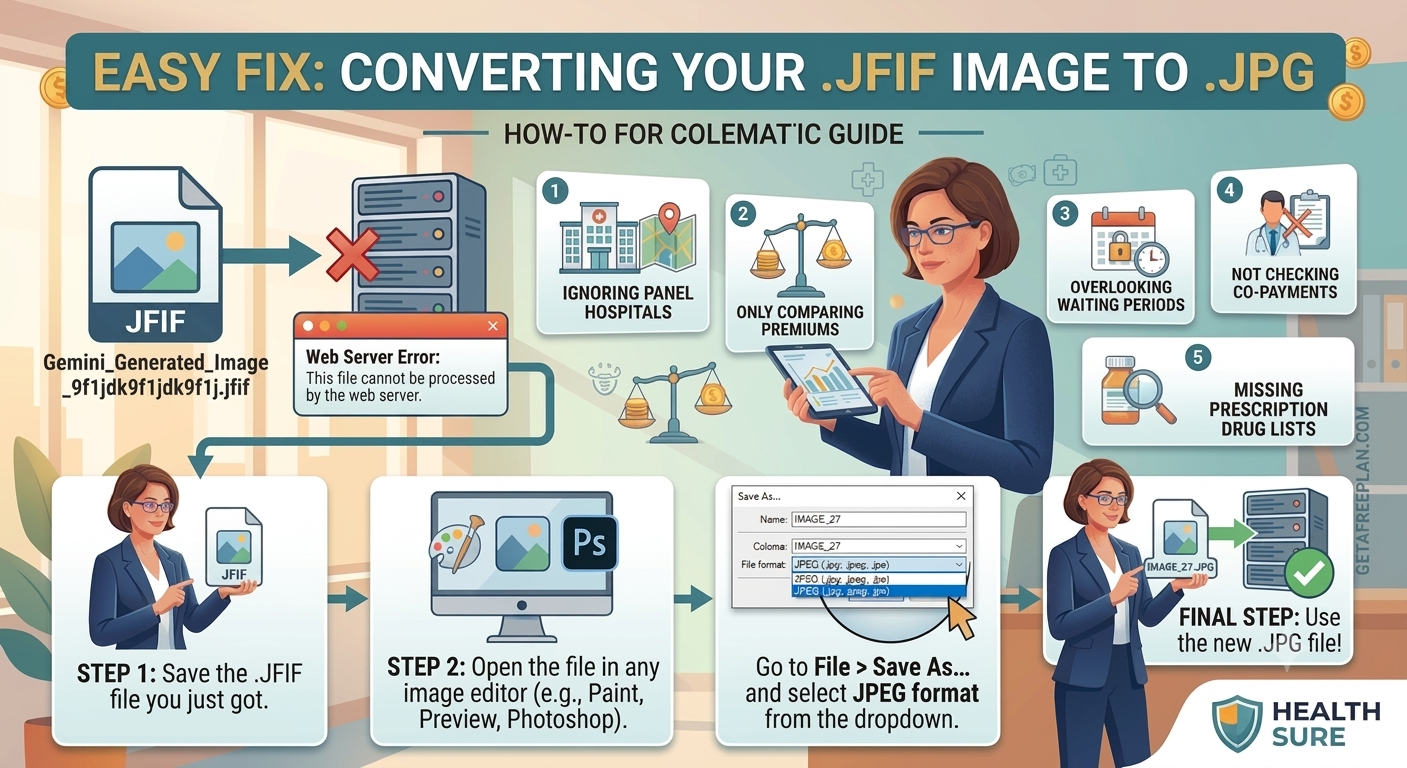
Buying health insurance is an important financial decision, but many people make mistakes that can lead to higher medical costs, limited coverage, or unexpected bills.
Some people choose a plan based only on the monthly premium, while others fail to understand deductibles, provider networks, or prescription drug coverage.
This guide highlights the most common health insurance mistakes and provides practical tips to help you make better decisions when selecting or using your health insurance plan.
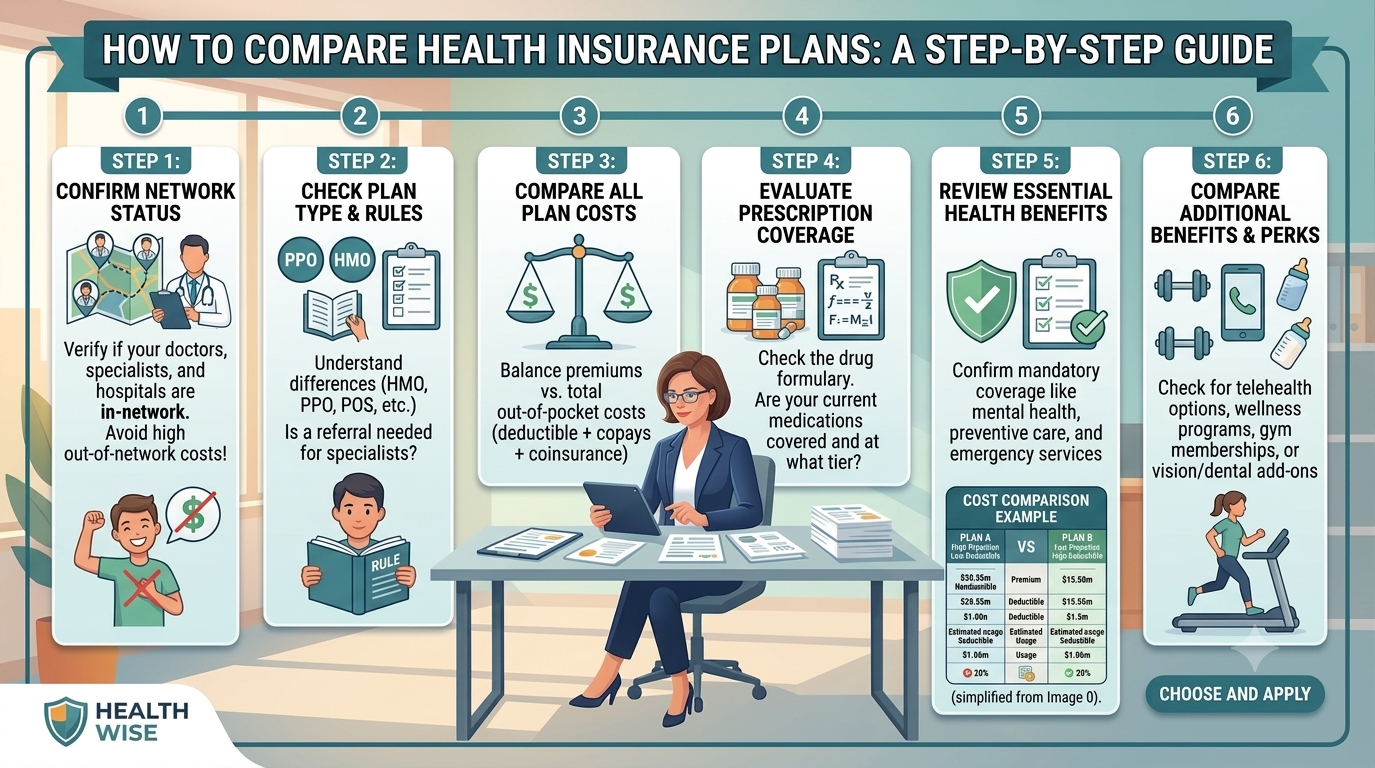
1. Choosing the Cheapest Plan
Many people automatically choose the lowest-priced plan without reviewing the coverage.
A low monthly premium may come with:
- Higher deductibles
- Higher copayments
- Limited provider networks
- Less comprehensive benefits
Always compare the overall value of a plan—not just its monthly cost.
2. Ignoring the Deductible
The deductible is one of the most important parts of a health insurance plan.
A plan with a low premium may have a high deductible, meaning you’ll pay more before insurance starts sharing covered healthcare costs.
Always compare:
- Premium
- Deductible
- Copayment
- Coinsurance
3. Not Checking the Provider Network
Before choosing a plan, verify that your:
- Family doctor
- Hospital
- Specialist
- Pharmacy
are included in the provider network.
Using out-of-network providers can significantly increase your healthcare expenses.
4. Forgetting Prescription Drug Coverage
If you take medications regularly, review:
- Covered medicines
- Pharmacy network
- Prescription costs
Not every plan covers the same medications.
5. Ignoring Preventive Care
Preventive healthcare can help detect health problems early.
Many plans include services such as:
- Annual checkups
- Vaccinations
- Health screenings
- Wellness visits
Taking advantage of preventive care may improve your long-term health.
6. Missing Enrollment Deadlines
Health insurance enrollment often occurs during specific periods.
Missing an enrollment deadline could delay your coverage until the next eligible enrollment period, unless you qualify for a special enrollment opportunity.
7. Not Reading the Policy
Many people purchase insurance without reading the policy documents.
Always understand:
- Covered services
- Exclusions
- Waiting periods
- Annual limits
- Cost-sharing responsibilities
Knowing these details helps avoid surprises later.
8. Underestimating Future Healthcare Needs
Even healthy people can experience unexpected illnesses or accidents.
Think about:
- Family medical history
- Planned surgeries
- Pregnancy
- Ongoing treatments
- Prescription medications
Choose a plan that can support both current and future healthcare needs.
9. Not Comparing Multiple Plans
Never purchase the first policy you see.
Compare different plans by reviewing:
- Monthly premium
- Deductible
- Provider network
- Prescription coverage
- Annual out-of-pocket costs
- Customer service
Comparing plans can help you find better value.
10. Failing to Review Your Plan Every Year
Healthcare needs change over time.
Review your health insurance annually if:
- Your family grows
- Your health changes
- Your prescriptions change
- Your income changes
- Your insurance provider updates benefits
Regular reviews help ensure your coverage continues to meet your needs.
Tips for Choosing a Better Health Insurance Plan
✔ Compare several insurance providers.
✔ Read the Summary of Benefits carefully.
✔ Estimate your annual healthcare costs.
✔ Review provider networks.
✔ Check prescription drug coverage.
✔ Understand deductibles before enrolling.
✔ Ask questions if anything is unclear.